

English
At Lysterfield Primary School, we are committed to delivering the English curriculum using evidence-based approaches. Our goal is to foster a love of reading and writing while building strong foundational literacy skills. We aim for our students to first "learn to read" in Prep to Year 2, so they can then "read to learn" from Years 3 to 6, ultimately becoming skilled readers, writers, and presenters.
Word Work
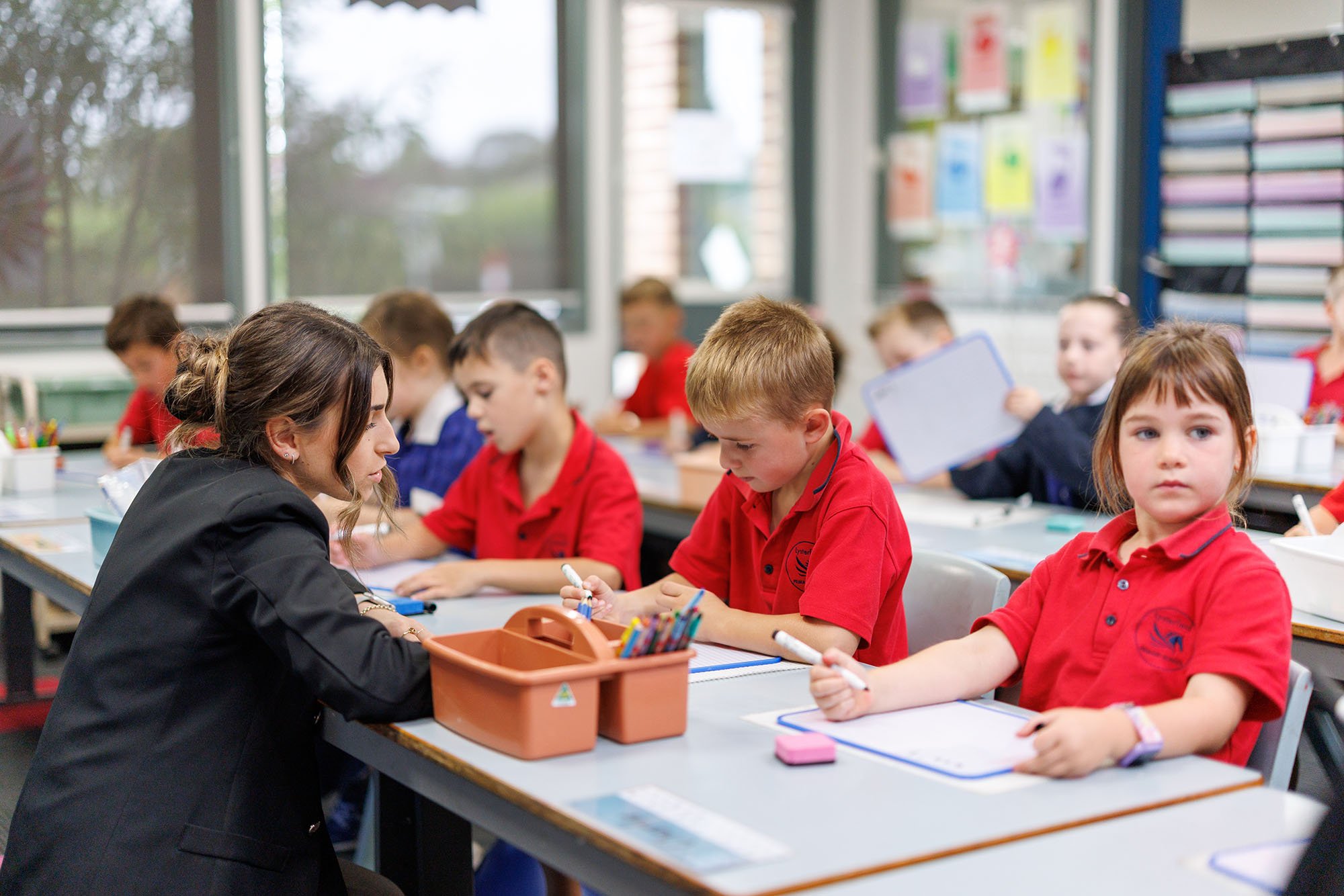
We use PhOrMeS to systematically and explicitly teach word reading and spelling. PhOrMeS helps students analyse word structures, enhancing their spelling abilities and understanding of word meanings. Students from Prep to Year 6 engage in daily Word Work, exploring the phonetic and morphological aspects of words, as well as their origins (etymology).
PhOrMeS focuses on:
- Phonology (sound-letter relationships)
- Orthography (spelling patterns)
- Morphology (parts of meaning)
- Etymology (word origins)
- Semantics (whole-word meanings)
Reading
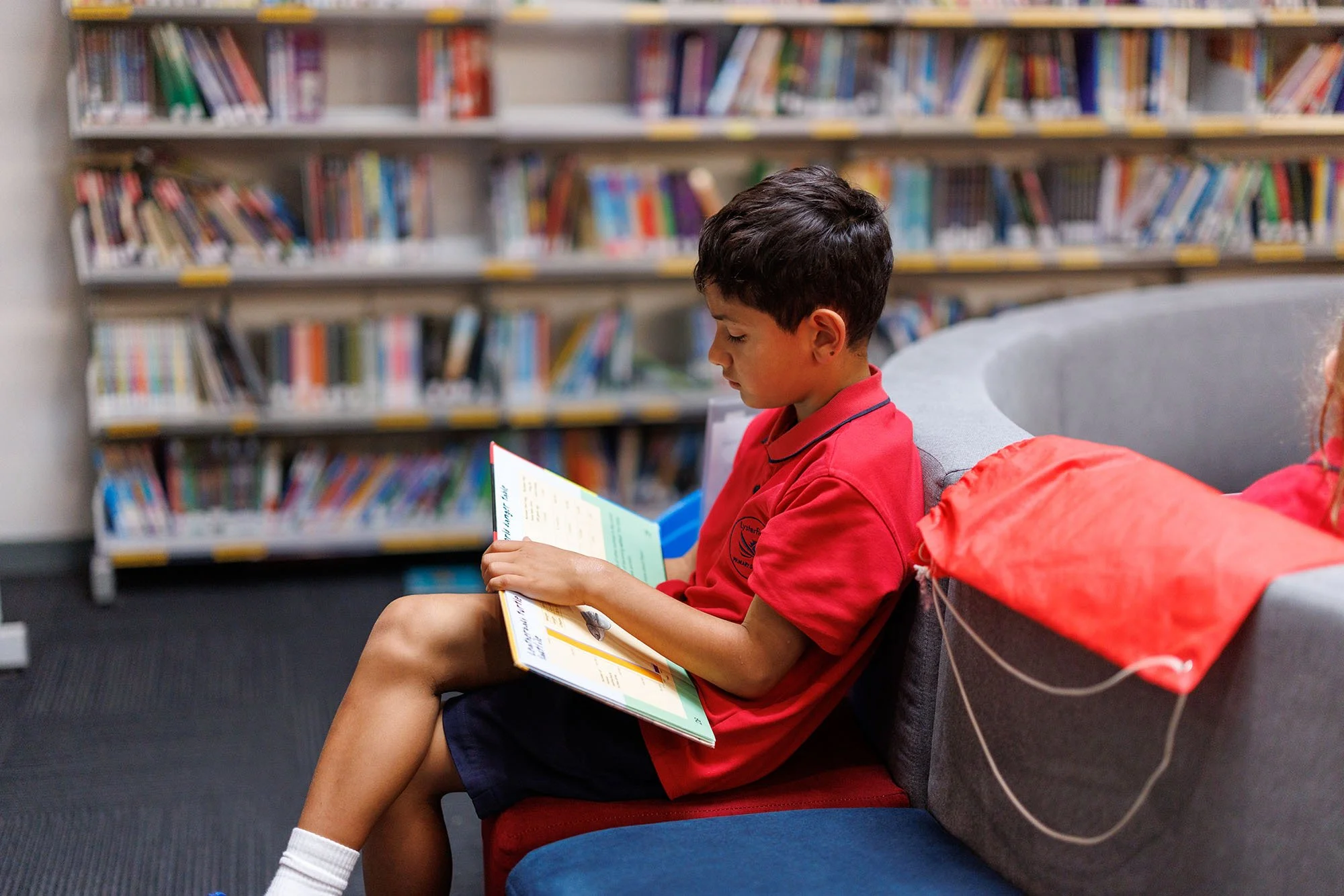
Our Reading curriculum is grounded in the Science of Reading, incorporating models such as Scarborough’s Reading Rope and the Simple View of Reading.
In Prep to Year 2, we emphasise the "Big Six": oral language, phonological awareness, phonics, vocabulary, fluency, and comprehension. Reading accuracy and fluency are promoted through the use of our Systematic Synthetic Phonics approach, alongside explicit teaching of accuracy strategies that are applied to decodable texts. Language comprehension is enhanced through rich literature, thoughtful questioning, and targeted teaching of comprehension strategies.
As students progress to Years 3 to 6, the focus shifts to expanding their background knowledge through literature units. Our teachers use high-quality literature and multisensory teaching techniques to increase students’ understanding of vocabulary and language, build their background knowledge about topics, learn expectations of genres, and practise using comprehension strategies. As students acquire more knowledge, their ability to comprehend text, understand new concepts and develop related skills improves.
Writing
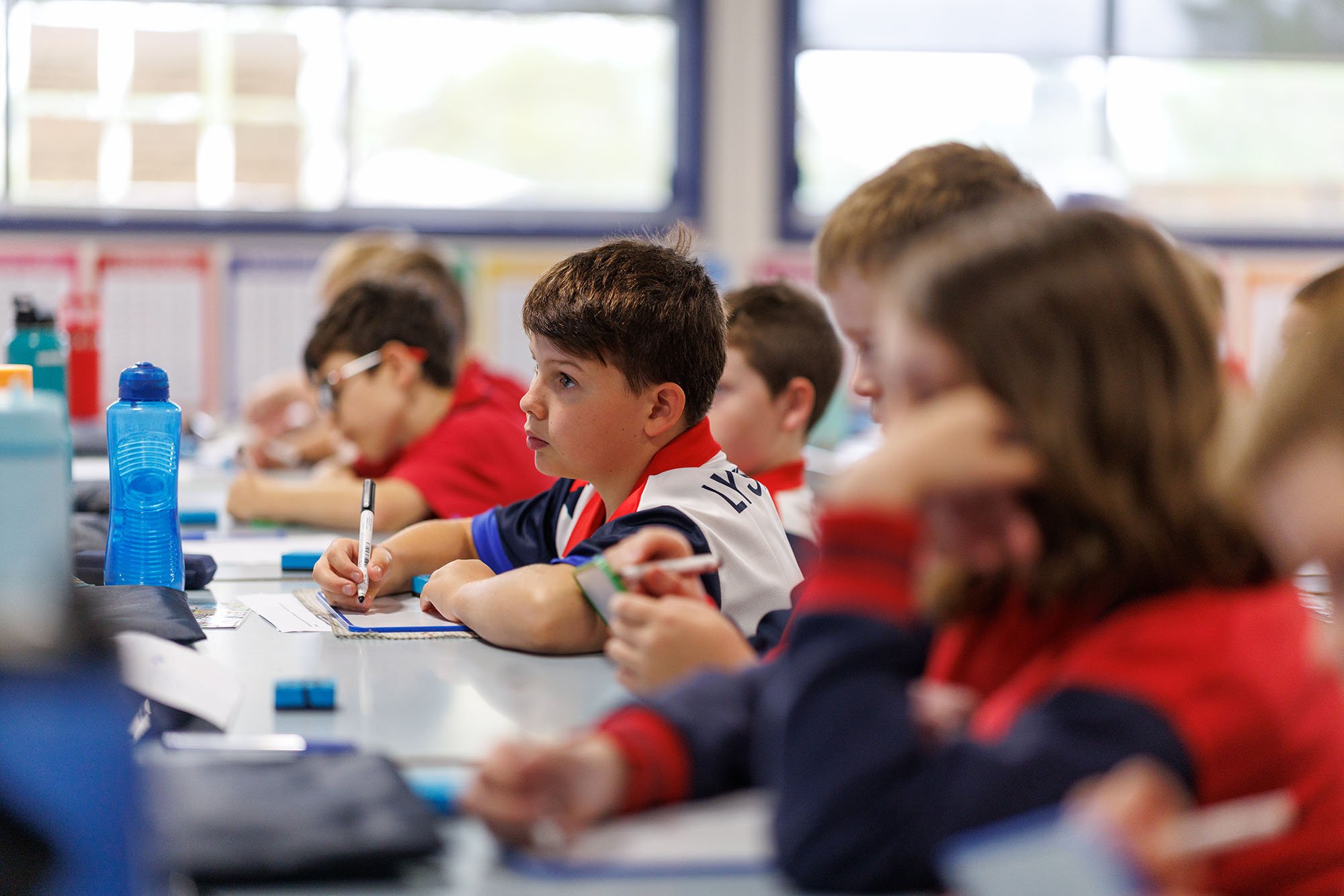
Our Writing program aims to develop fluent and confident writers. We base our Writing program on the Hochman Method, a systematic and explicit approach, to help students recognise and construct clear and complex sentences, then progress to writing paragraphs and from there composition writing. By focusing initially on fundamental skills at the sentence level and advancing to composition writing, students learn to produce well-structured and organised writing that effectively communicates their ideas.
Speaking and Listening
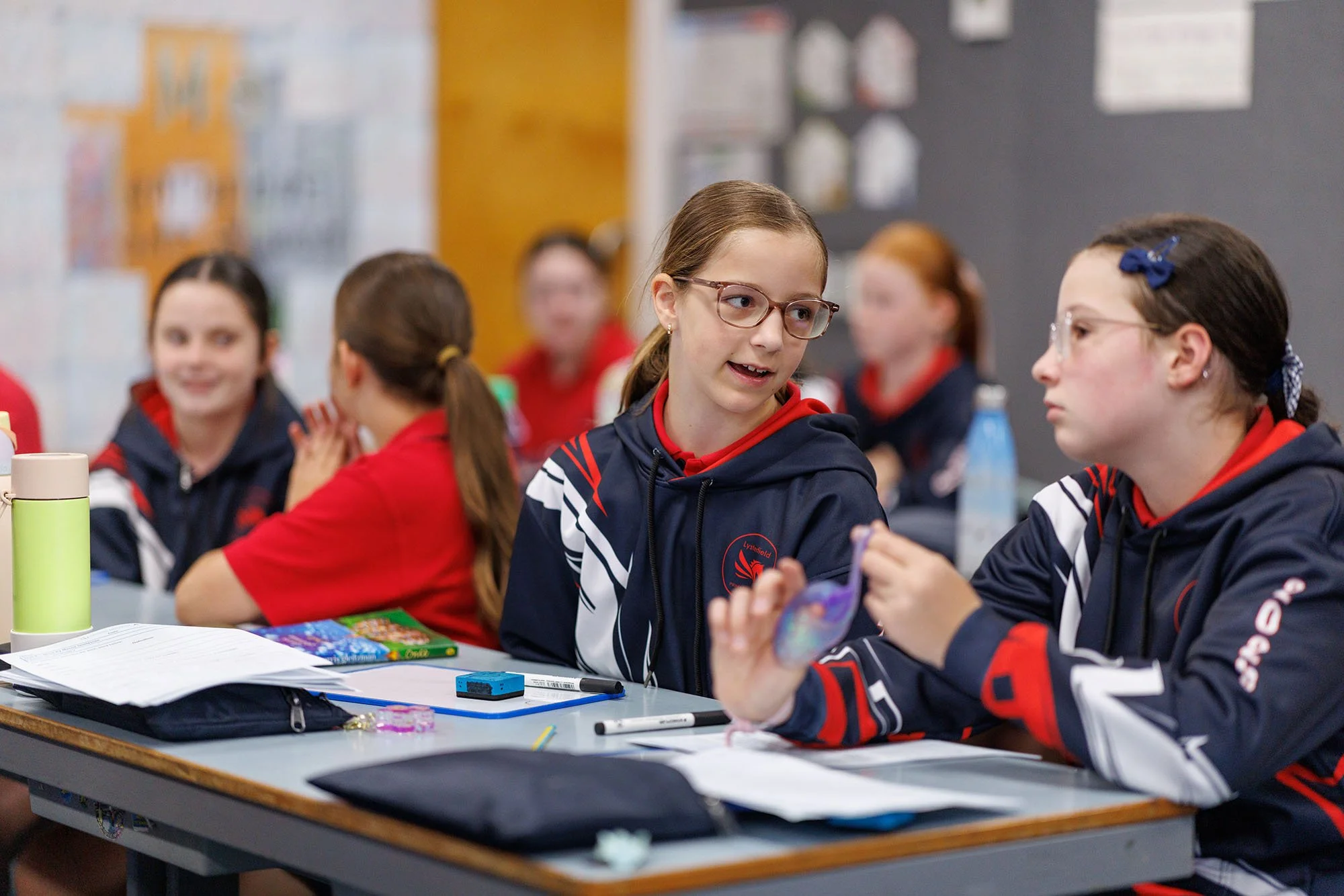
At LPS, students have many varied opportunities to speak and listen to others throughout the day. This includes instructional routines such as ‘Turn and Talks’, reflective activities such as ‘Author’s Chair’, and participation in class discussions. In Grades 3 to 6, students participate in Literature studies where they learn communication skills related to active listening, respectful disagreement, elaboration, and keeping conversations engaging. In the Senior School, students engage in ‘Speech Club,’ where they prepare and deliver speeches for various purposes and practise attentive listening.